Choosing the right materials for solar structures is crucial. Among these, stainless steel and galvanized steel stand out. When thinking about which one to select, a common question arises: "When should I use stainless steel vs galvanized steel for solar structures?"
Stainless steel offers superior resistance to corrosion. This makes it ideal for harsher environments where moisture levels are high. The durability of stainless steel can lead to longer lifespans for solar installations. However, it can be more expensive to purchase and install.
Galvanized steel, on the other hand, is treated to resist rust at a lower cost. It works well in moderate climates and can be a reliable choice for many projects. The initial savings are appealing. Yet, one must consider potential long-term maintenance issues. Reflecting on these points can aid in making the best material choice for solar applications.
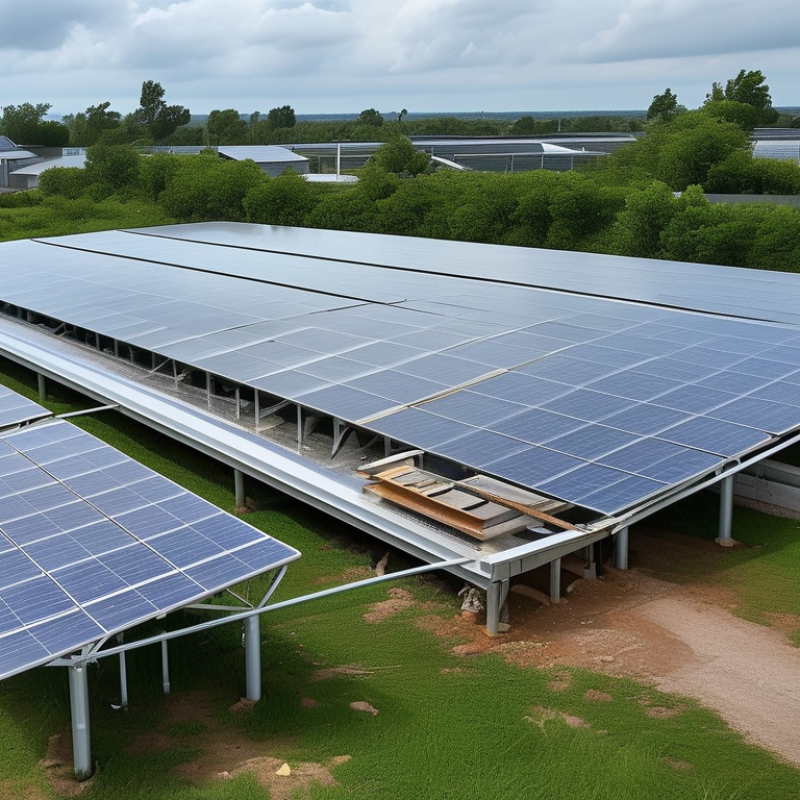
When it comes to solar structures, choosing between stainless steel and galvanized steel is crucial. Each material offers distinct properties that can influence performance and longevity. Stainless steel is known for its corrosion resistance. It withstands harsh weather, making it suitable for coastal areas. However, it's more expensive than galvanized steel.
Galvanized steel, coated with zinc, offers durability and resistance to rust. It is often chosen for its cost-effectiveness and ease of installation. Yet, it may not perform as well in extreme conditions. In environments with high humidity or salt exposure, it might require more maintenance.
Tips:
When selecting the right material, consider the environment. For less corrosive areas, galvanized steel is a solid choice. In harsh conditions, stainless steel can save you repair costs in the long run. Also, think about the aesthetics. Stainless steel presents a polished look, while galvanized steel has a rough texture.
Understanding these properties can help prevent costly mistakes. You may want to consult an expert, especially if unsure about your specific needs. The investment in proper material can impact the structure's durability significantly.
Corrosion resistance plays a crucial role in selecting materials for solar panel installations. Stainless steel and galvanized steel are two popular choices. Research indicates that approximately 30% of solar structure failures are due to corrosion. This highlights the importance of using the right material to ensure durability.
Stainless steel is highly resistant to rust and corrosion. However, it can be costlier than galvanized steel. According to industry reports, stainless steel can last over 25 years with minimal maintenance in harsh environments. On the other hand, galvanized steel, while more affordable, may only last about 10 to 15 years. It relies on a zinc coating that can wear away over time, exposing the steel underneath.
Environmental factors also impact performance. Coastal regions with salt exposure pose higher risks for steel materials. In contrast, inland areas may see less aggressive corrosion. Choosing the right material requires close attention to location and conditions. Each project presents unique challenges that must be assessed carefully.
| Material Type | Corrosion Resistance | Cost | Durability | Typical Applications |
|---|---|---|---|---|
| Stainless Steel | Excellent (Resistant to rust and corrosion in harsh environments) | High | Very High (25+ years with proper maintenance) | Structural frames, fasteners, and hardware in corrosive environments |
| Galvanized Steel | Good (Relatively resistant due to zinc coating) | Moderate | Moderate (10-20 years depending on environment) | Support structures for solar panels, fences |
Choosing between stainless steel and galvanized steel for solar structures involves understanding the cost implications of each material. According to recent industry analyses, stainless steel often comes with a higher price tag, averaging around 2-4 times the cost of galvanized alternatives. For large-scale solar projects, these differences can significantly impact the overall budget. However, the initial expense can be an important factor to weigh against long-term benefits.
Galvanized steel, while cheaper, is susceptible to corrosion over time, especially in harsh environments. Reports indicate that unprotected galvanized structures may last around 10-20 years. On the other hand, stainless steel, noted for its durability and corrosion resistance, can exceed 30 years with proper maintenance. The decision often leans towards the application environment and expected lifespan. Factor in repair costs and potential replacements when analyzing the total expenditure over time.
The variability in pricing and lifecycle performance presents a complex choice. It's crucial to balance immediate costs against potential future expenses. As such, choosing the right material requires careful consideration of location, environmental factors, and project longevity. Understanding these elements leads to informed decisions that enhance sustainability and efficiency in solar installations.
This chart illustrates the average cost per ton of stainless steel and galvanized steel used in solar structures. Stainless steel, while more expensive, offers better corrosion resistance, whereas galvanized steel is more affordable but may have a shorter lifespan in certain environments.
Choosing between stainless steel and galvanized steel for solar structures involves understanding their structural strength and load-bearing capacities. Both materials have unique characteristics that impact their performance in solar frameworks.
Stainless steel is known for its high resistance to corrosion and excellent durability. Its strength makes it ideal for supporting heavy solar panels and withstanding harsh weather conditions. However, it is often more expensive.
Galvanized steel, on the other hand, is coated with a layer of zinc. This coating provides some protection against rust, but its effectiveness can diminish over time. While galvanized steel is generally less costly, it may not offer the same long-term reliability as stainless steel in extreme environments. For solar installations, assessing the specific location's climate is crucial. Coastal areas may benefit more from stainless steel due to its resistance to saltwater corrosion.
Load-bearing capacities also play a critical role in decision-making.
Stainless steel can support greater weights, which is vital for larger solar farms. However, if budget constraints exist, galvanized steel may still serve adequately for smaller projects. Understanding the trade-offs between initial costs and longevity is key. A detailed analysis of each project's requirements can guide choices effectively. Each material presents different advantages and challenges. Careful consideration of these factors will lead to more informed decisions in solar framework construction.
When selecting materials for solar structures, understanding lifecycle impacts is critical. Stainless steel is known for its durability and corrosion resistance. Typically, it lasts 30 years or more with proper care. In contrast, galvanized steel offers a lower initial cost but may require more maintenance over time. Research indicates that the average lifespan of galvanized structures is around 15-20 years before significant degradation occurs.
Maintenance is a significant consideration. Stainless steel requires minimal upkeep, generally only needing occasional cleaning to maintain its appearance. Galvanized steel, however, can suffer from rust if the protective layer gets damaged. A 2020 report noted that 30% of maintenance costs in solar installations are due to material failures. When selecting a material, consider both immediate and long-term costs.
Another factor is environmental impact. Stainless steel is 100% recyclable. In contrast, galvanized steel involves coating with zinc, which can pose environmental issues during disposal. While galvanized steel is often cheaper to install, its shorter lifespan and higher maintenance needs could lead to increased overall costs. A thoughtful approach balances cost, longevity, and environmental sustainability.
: Stainless steel offers high corrosion resistance and durability. Galvanized steel is cheaper but may not last as long.
With proper care, stainless steel can last 30 years or more.
Galvanized steel typically lasts about 15-20 years before significant degradation occurs.
Stainless steel needs minimal upkeep, generally just occasional cleaning.
Yes, if the protective layer is damaged, galvanized steel can rust, leading to higher maintenance costs.
Coastal areas may benefit more from stainless steel due to its resistance to saltwater.
Galvanized steel may be sufficient for smaller projects if budget is a concern, but longevity must be considered.
Stainless steel is 100% recyclable, making it an environmentally friendly option.
Yes, its shorter lifespan and higher maintenance needs can lead to increased overall costs over time.
Understanding lifecycle impacts helps balance initial costs with long-term durability and maintenance needs.
The article "When to Choose Stainless Steel or Galvanized Steel for Solar Structures?" provides a comprehensive analysis of the two materials, emphasizing their distinct properties and applications in solar installations. Understanding the corrosion resistance of both stainless and galvanized steel is crucial, as solar structures are often exposed to harsh environmental conditions. The cost analysis highlights that while stainless steel may be more expensive upfront, its longevity and reduced maintenance can make it more economical in the long run.
When should I use stainless steel vs galvanized steel for solar structures? The decision largely depends on the specific requirements of the project, including environmental exposure, budget constraints, and the desired lifespan of the installation. Additionally, considerations regarding structural strength and load-bearing capacities are essential for ensuring that the chosen material will adequately support the framework over time. Overall, the article guides readers through the lifecycle and maintenance aspects, enabling informed decisions for solar structure material selection.

Trope Solar